Automotive adhesive tape products are key materials for vehicle body connection and lightweighting. Acrylic foam tape is a representative example, featuring a 3.18mm thick viscoelastic foam core structure with high-performance acrylic adhesive coated on both sides. This product can withstand extreme temperatures ranging from -40 ℃ to 120℃, with a shear strength of up to 8MPa. It is suitable for rivet-free bonding of exterior parts such as body side trim strips, roof groove trim strips, and door edge anti-collision strips. Its red release paper design supports full-piece peeling, increasing construction efficiency by 40% and achieving a weight reduction of 1.2kg per vehicle in multiple new energy vehicle models.
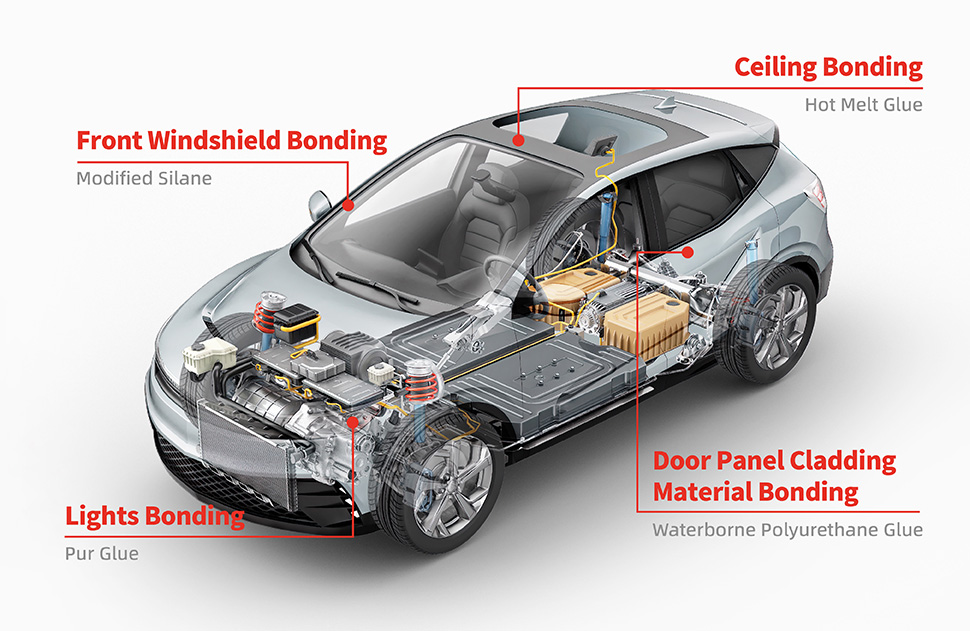
Hot melt adhesive /PUR glue/waterborne polyurethane glue/modified silane
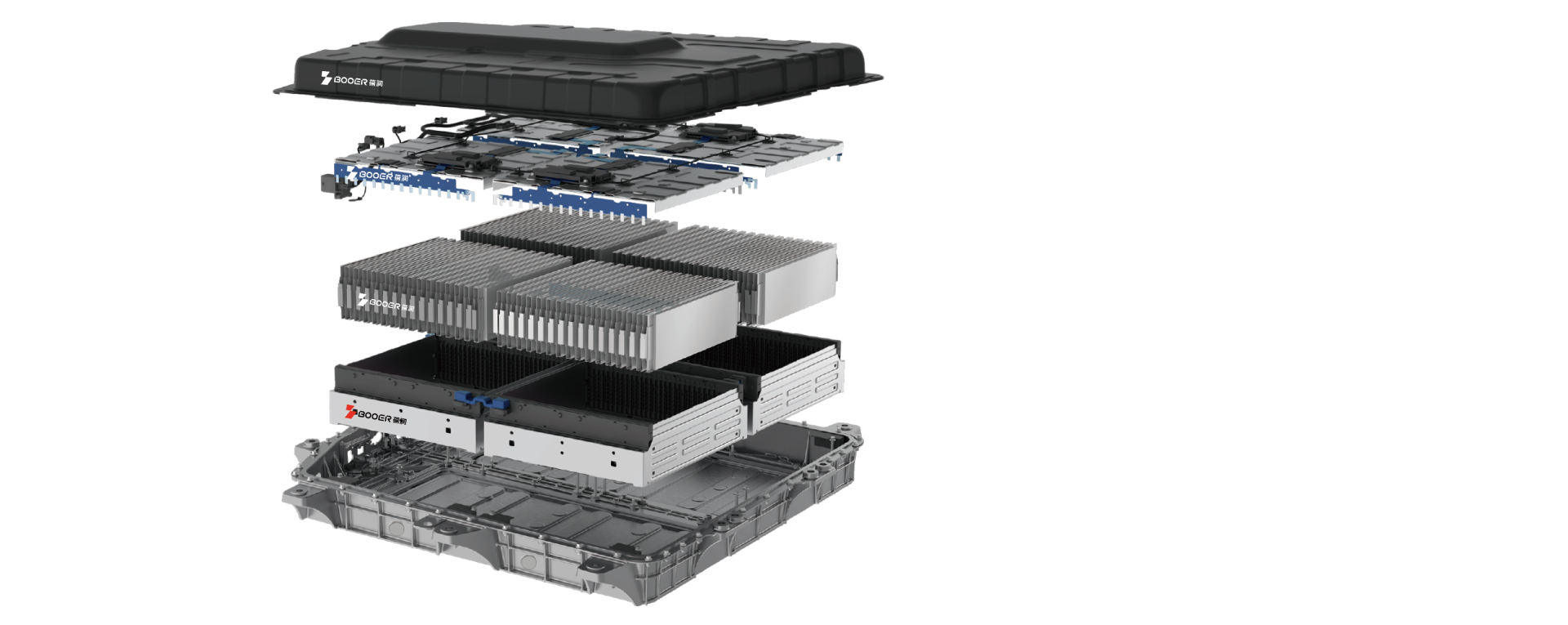
Automotive adhesive solutions, centered on PUR hot melt adhesives, are widely used in interior scenarios such as door cladding and dashboard skin bonding. It contains no formaldehyde or benzene substances and complies with the ELV environmental protection directive, meeting the sealing requirements of battery packs for new energy vehicles.
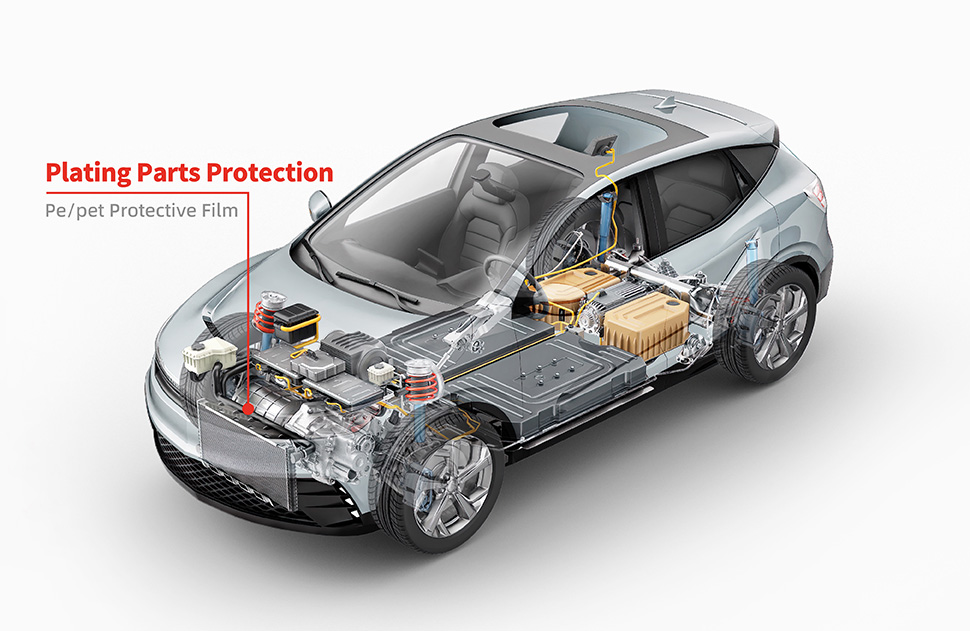
The automotive protective film is made of PET base material and undergoes a 3-hour hardening treatment. Through a double-layer casting process, the thickness is controlled at 160μm, and the puncture resistance strength reaches 37.2N/10mm. The product features weather resistance ranging from -40 ℃ to 120℃, 99% UV blocking rate and 85% infrared reflectivity, which can lower the temperature inside the vehicle by 7-12℃. The AG-AR composite film achieves optical performance with a light transmittance of 92%, a haze of 20%, and a reflectivity of less than 2% through nano-scale silica coating technology. It has been applied to the central control screens of many vehicle models, and the visibility in strong light environments has been improved by 40%. The protective film system supports construction without orange peel texture and leaves no residue when removed, effectively protecting the original car paint and the surface of the electronic screen.
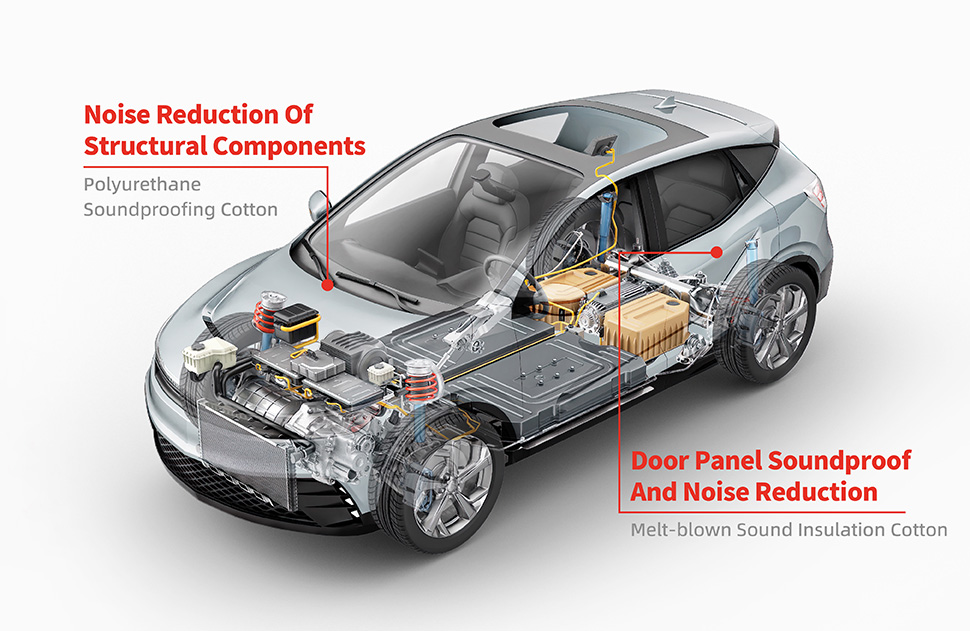
The sound insulation and noise reduction material takes polyurethane foam as the core. Through the inner wall bonding process of tires, it can reduce the noise inside the vehicle by 2-4dB, which is equivalent to a 40% reduction in volume. After 500 compression cycles, the rebound rate remains at 85%, and the service life reaches 60,000 kilometers. Melt-blown sound insulation cotton is suitable for high-temperature environments in engine compartments. It has stable performance within the temperature range of -40℃ to 100℃. The self-adhesive back design enables a construction efficiency of 10m²/ hour and meets the UL94 V-0 flame retardant grade.
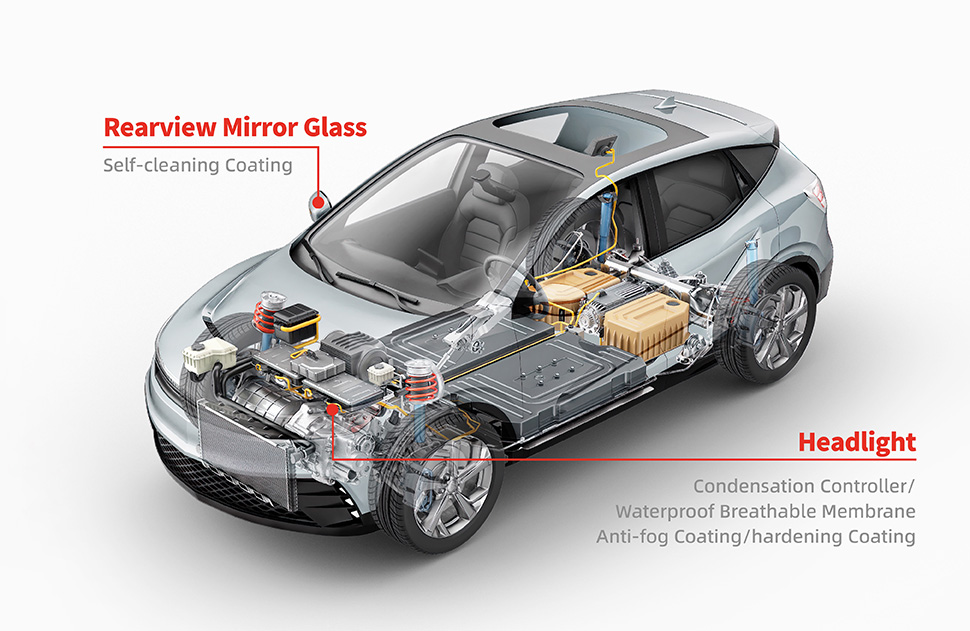
Functional coating solutions cover special requirements such as anti-fog and self-cleaning. The carbon ceramic anti-fog film adopts magnetron sputtering technology, with a film layer thickness of only 10nm but achieving a visible light transmittance of 94.78%. This product reaches the demisting temperature within 20 seconds and remains effective continuously in an environment ranging from -20 ℃ to 85℃.
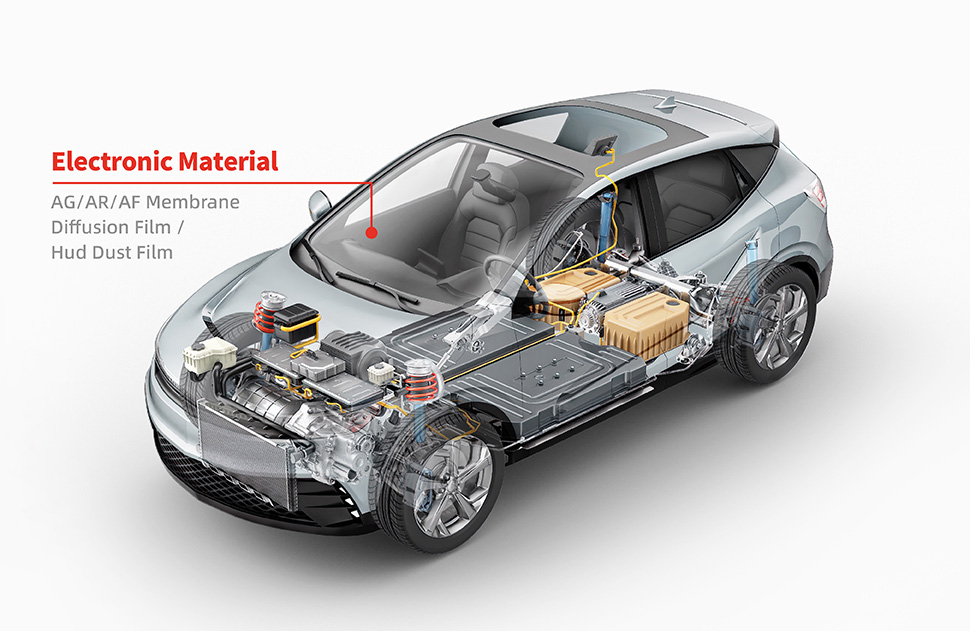
The electronic materials focus on the improvement of in-vehicle display and optical performance. The AG anti-glare film, through surface microstructure treatment, keeps the reflectivity below 2%, meeting the requirements of instrument panels and central control screens. The AR anti-reflective film adopts a multi-layer optical interference structure, increasing the light transmittance to 95% and reducing visual fatigue under strong light. The AF anti-fingerprint coating achieves a water droplet contact Angle of over 110° and has a wear resistance of more than 3,000 times. This type of material has passed the AEC-Q100 automotive-grade certification. After a temperature cycle test from -40℃ to 105℃, its performance degradation is less than 5%.


 Tape
Tape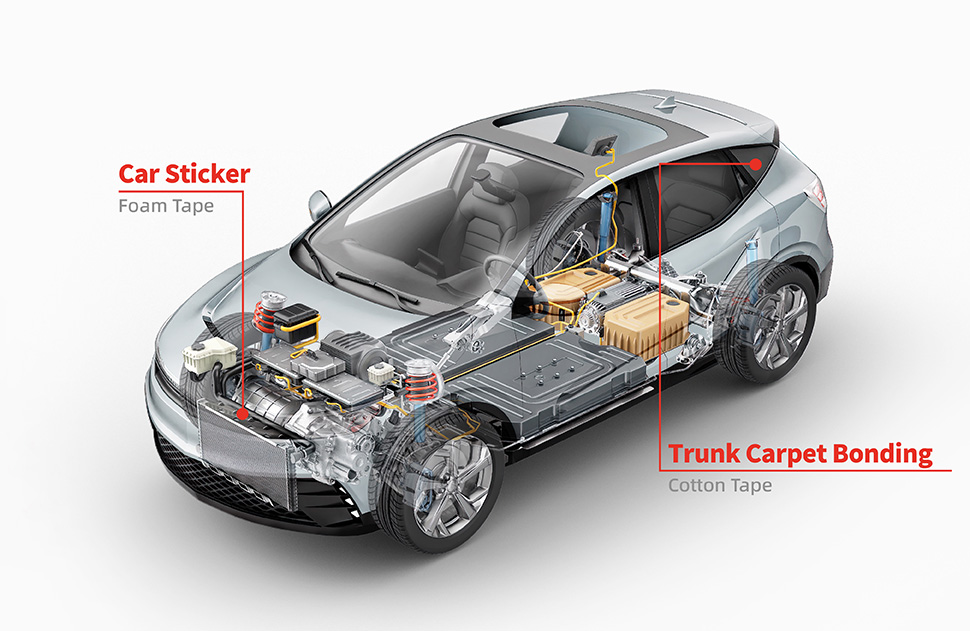

 Marie-Curie-Str. 2 , 85055 Ingolstadt